AxIndex

By Bob Salera January 16, 2026
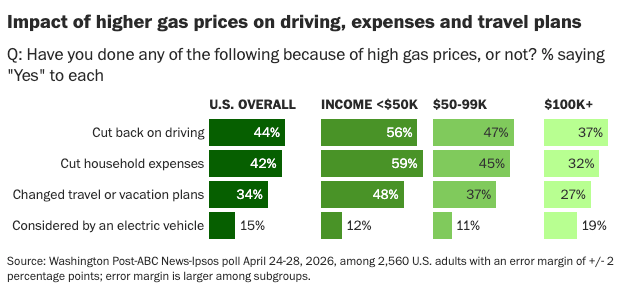
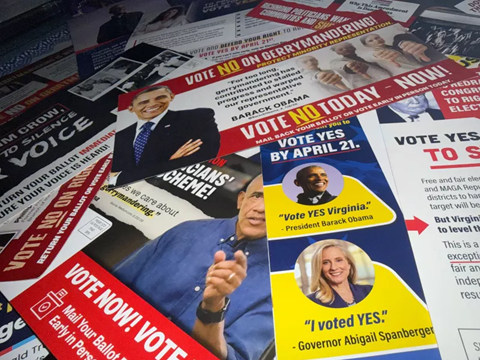
Our Top 3: 1) Redistricting Chaos Creeps Into 2026 Planning: Ongoing redistricting battles in Wisconsin and Florida are creating uncertainty for House candidates as filing deadlines approach. 2) Economic Anxiety Ends 2025 On A Low Note: While inflation headlines have softened, voter frustration with the state of the economy sat at -33 at the end of the year, its lowest since July 2024. 3) Notable Retirements Are Beginning To Pop: A growing number of senior lawmakers in Washington have begun announcing plans to step aside, signaling early turnover ahead of 2026. At the state level, Tim Walz announced he will not seek reelection, a decision that follows a period of heightened scrutiny and controversy in Minnesota and sets off an open-seat race in a closely watched state with an open Senate seat for the Democrats to defend. National Sentiment Tracking Voters Still Concerned About Costs Over Everything Else Compared with polling from last year, inflation and prices remain the top voter concern, though the share citing it as the single most important issue has softened modestly as inflation cools. Even with that dip, cost-related issues continue to crowd out all others: inflation (26%), healthcare (12%), and jobs and the economy (11%) together account for nearly half of voter concern. Immigration (10%) and civil rights (9%) remain on the list but are secondary, suggesting that voters are still filtering political debates through an affordability lens rather than ideological ones. Read More. What This Means For candidates and outside groups heading into 2026, economic framing is unavoidable. Even when talking about healthcare, immigration, or regulation, voters are looking for answers to how policies affect household costs, wages, and financial stability. Voter Groups Shift In Support For Trump A new Economist/YouGov poll covering January 2–5, 2026, finds mixed movement in President Donald Trump’s job approval: his standing improved among men and Hispanic voters compared with the prior week, while approval among Republicans and women declined. Despite those shifts within subgroups, Trump’s overall approval remains down nationally, reflecting broader voter dissatisfaction. Then & now context matters. Today, Trump’s RealClearPolitics average sits at 43.8% approve / 52.6% disapprove (-8.8). On the same point in 2018, his approval was lower, and opposition was far deeper: 39.4% approve / 56.0% disapprove (-16.6). While approval is still down, the narrower gap today points to a sturdier base of support than during his first term. Key takeaways: Men & Hispanic voters: Trump’s approval ticked up in the latest numbers. Republicans & women: Both groups showed declining support for his performance compared with recent polling. Overall national picture: This nuanced movement highlights how demographic coalitions are shifting subtly and could influence messaging strategies for both parties in 2026.