
AxIntelligence
The Post-Recess Congressional Outlook Congress returned from its five-week August recess and sent a bill to the President to fund the government through December 11, but the major fiscal and policy fights remain unresolved. That makes the CR a ceasefire, not a resolution — the fight over spending and policy is still ahead. The Clock The calendar is shrinking by the week. The House returned August 31, then canceled its remaining two full work weeks in September, leaving a single four-day session (September 14-17) before members leave for the campaign trail. The Senate has a bit more time, scheduled to stay in session through October 2. The September 30 fiscal-year deadline is no longer the immediate deadline because the CR extends funding through December 11. Neither chamber has the runway to finish the remaining major legislative agenda items before Election Day. The likely outcome is that decisions on government funding beyond December 11, the FY27 National Defense Authorization Act, and the fate of a third reconciliation package extend into the lame-duck session - decided by a Congress that may look different than the one sitting today. Appropriations & NDAA Appropriations and NDAA are traditional must-pass priorities. Reconciliation is optional. Appropriations remain the most immediate pressure point, and the December 11 deadline only buys time on the FY27 spending bills. All twelve have cleared the House Appropriations Committee, but only three have passed the full floor, and the Senate hasn't reported a single one out of committee. That disparity reflects the two chambers' unresolved fight over topline defense and non-defense spending levels. Absent a herculean effort by the leadership of the House and Senate Appropriations Committees, passing any of the outstanding bills across both chambers by year's end is unlikely, and another stopgap will likely be necessary. After six decades of annual enactment, the odds are in favor of Congress ultimately producing an NDAA. The House passed its version in July by a narrow margin, authorizing roughly $250 billion more in defense spending than FY26 levels. The Senate's version is still pending, stalled since a failed July cloture vote, and even once it passes, a conference committee still has to reconcile the two chambers' different versions before anything reaches the President's desk. NDAA hasn't been signed into law before December in any of the last several cycles; last year's version wasn't signed until December 18, and this year is tracking the same way. With no official Senate passed product, the two chambers will begin informal conference discussions in earnest after the Congress officially breaks for the election season. Reconciliation 3.0 Reconciliation is the one item on this list Congress does not have to touch. Republicans already used the process once this year, passing a second reconciliation bill in June that provided roughly $70 billion in funding for ICE and CBP. A third package, built around Iran war funding, agricultural aid, and provisions tied to Republicans' election-law priorities, cleared the House in July, but the Senate has not advanced it. Majority Leader Thune has said he'd rather hold the framework in reserve as leverage for the funding fight than spend it on a standalone package before the election. Its prospects are likely to depend in significant part on how the funding negotiations develop as well as the election outcome. If one or both Chambers flip, look for Republicans to revisit reconciliation efforts as a last-ditch effort to provide funding to the Administration for key priorities prior to the new Congress. What the Election Changes The election will determine how much leverage each side has during the lame-duck period. With the election on November 3 and the CR expiring December 11, the lame-duck Congress would have roughly five weeks to resolve the next round of government funding. If Republicans retain both chambers, they can continue pursuing their legislative agenda, but the incentive to complete major priorities before the new Congress takes office would still depend on the size of their margins and the remaining legislative calendar. If Democrats win either chamber, the outgoing GOP majority faces greater pressure to resolve outstanding priorities before the new Congress takes office, when the balance of power could shift. That could create a final push to lock in NDAA authorization levels and take another run at reconciliation before new members take office in January. The Bottom Line The next sixty days matter more than the usual pre-election lull suggests. The major open questions: the FY27 spending bills, NDAA authorization levels, and whether Republicans pursue a third reconciliation bill, remain unresolved. Organizations with a stake in any of these three fights have a narrower window than usual to get specific asks attached before that happens, and that window closes well before Congress reconvenes in January.
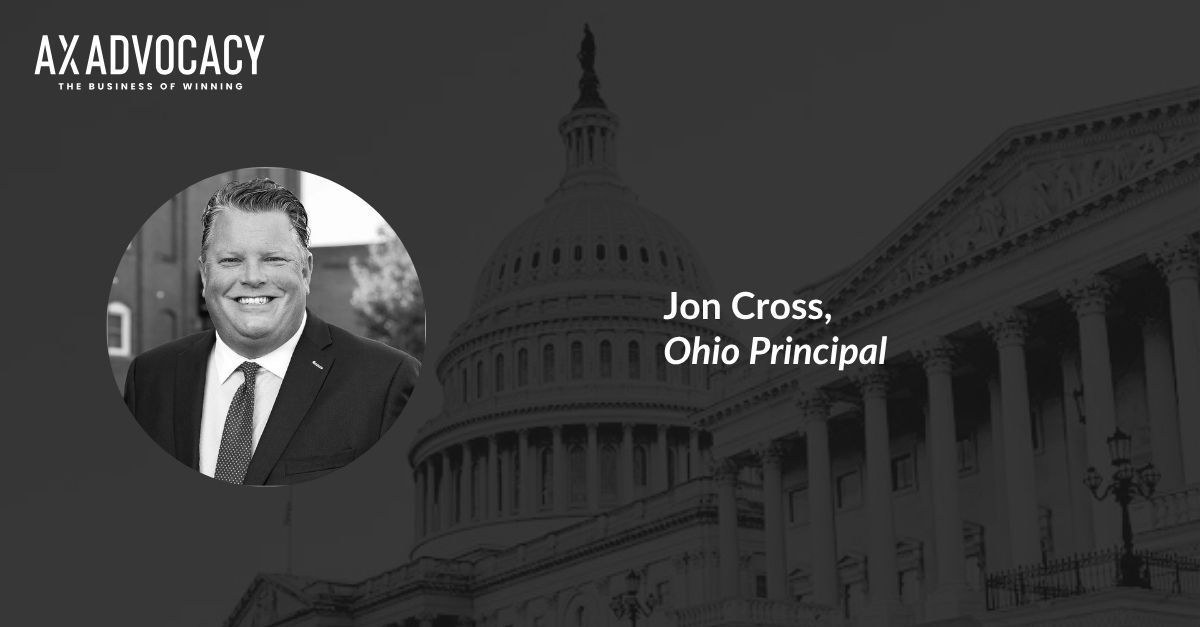
AxAdvocacy Expands to Ohio with Addition of Former State Representative Jon Cross as Principal Firm’s Columbus practice marks its latest expansion into key state capitals

Public Affairs Has a Performance Problem There is a hard truth our industry doesn't like to admit. Public affairs has become far too comfortable confusing activity with accomplishment. Too many firms celebrate meetings instead of momentum. They count bill introductions instead of policy victories. They send clients long recaps filled with updates everyone could have read themselves and call it strategy. That isn't advocacy. That's administration. Clients aren't hiring us to tell them what happened in Washington yesterday. They're hiring us to change what happens tomorrow. Somewhere along the way, much of our industry accepted that checking the box was enough. Weekly reports became the deliverable. Legislative summaries became the strategy. Calendar invites became evidence of value. Meanwhile, the companies paying the bills are facing the fastest-moving policy environment in decades. Artificial Intelligence Trade Tariffs Tax Policy Energy Workforce Shortages Antitrust China ESG Supply Chains State Activism Election Volatility The stakes have never been higher. Yet many public affairs programs are operating exactly as they did fifteen years ago. That should concern every CEO. Effort Isn't a KPI One of the biggest myths in our profession is that effort equals value. It doesn't. Clients don't care how many meetings you scheduled. They care whether their issue moved. They don't care how many memos you wrote. They care whether the narrative changed. They don't care how busy your team looked. They care whether they are better positioned because of your work. Being busy has become a substitute for being effective. The two are not the same. The Next Generation of Public Affairs The firms that will define the next decade won't be the ones with the biggest lobbying teams. They'll be the ones that integrate policy, communications, research, digital strategy, coalition building, and executive positioning into one coordinated campaign. Public affairs isn't just government relations anymore. It’s: Business Strategy Market Strategy Reputation Management Competitive Advantage The firms still operating in silos will be left behind. Relationships Matter. Initiative Matters More. Relationships remain the currency of influence. But relationships alone are no longer enough. Clients expect: Ideas before they ask for them Opportunities before they appear Intelligence before it becomes news Their advisors to think like business leaders - not order takers The firms creating the most value today aren't waiting for assignments. They are creating opportunities. Raise the Standard This profession deserves better than status updates disguised as strategy. It deserves: Curiosity Creativity Relentless preparation A bias toward action An obsession with producing measurable outcomes Our clients don't need more emails. They don't need another legislative summary. They need partners willing to challenge conventional thinking, anticipate what's next, and fight relentlessly for results. That's the standard. It should be the expectation - not the exception.
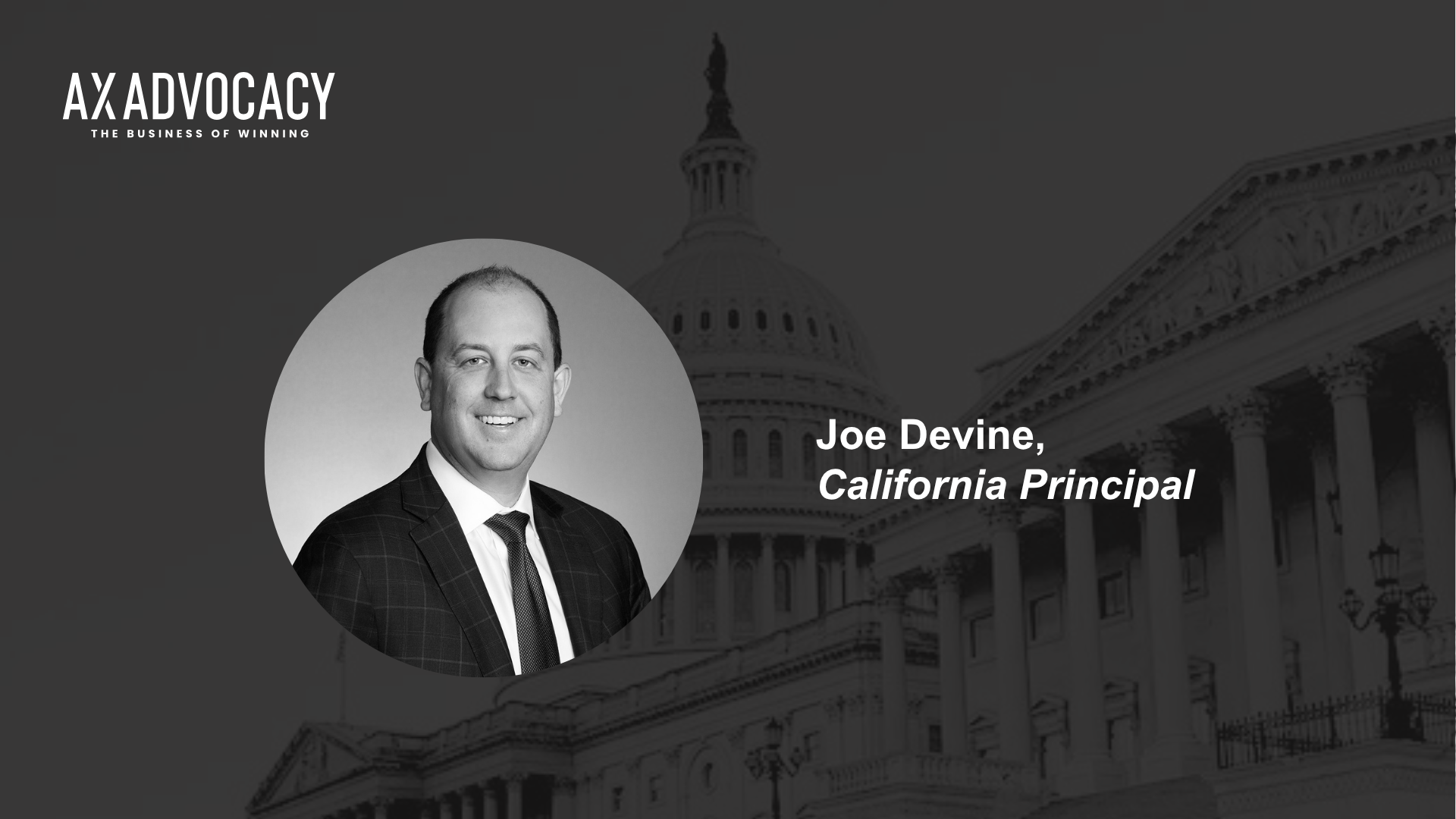
Firm significantly expands its presence in the nation's largest state economy, offering clients a fully integrated federal, state, local, and public affairs platform.
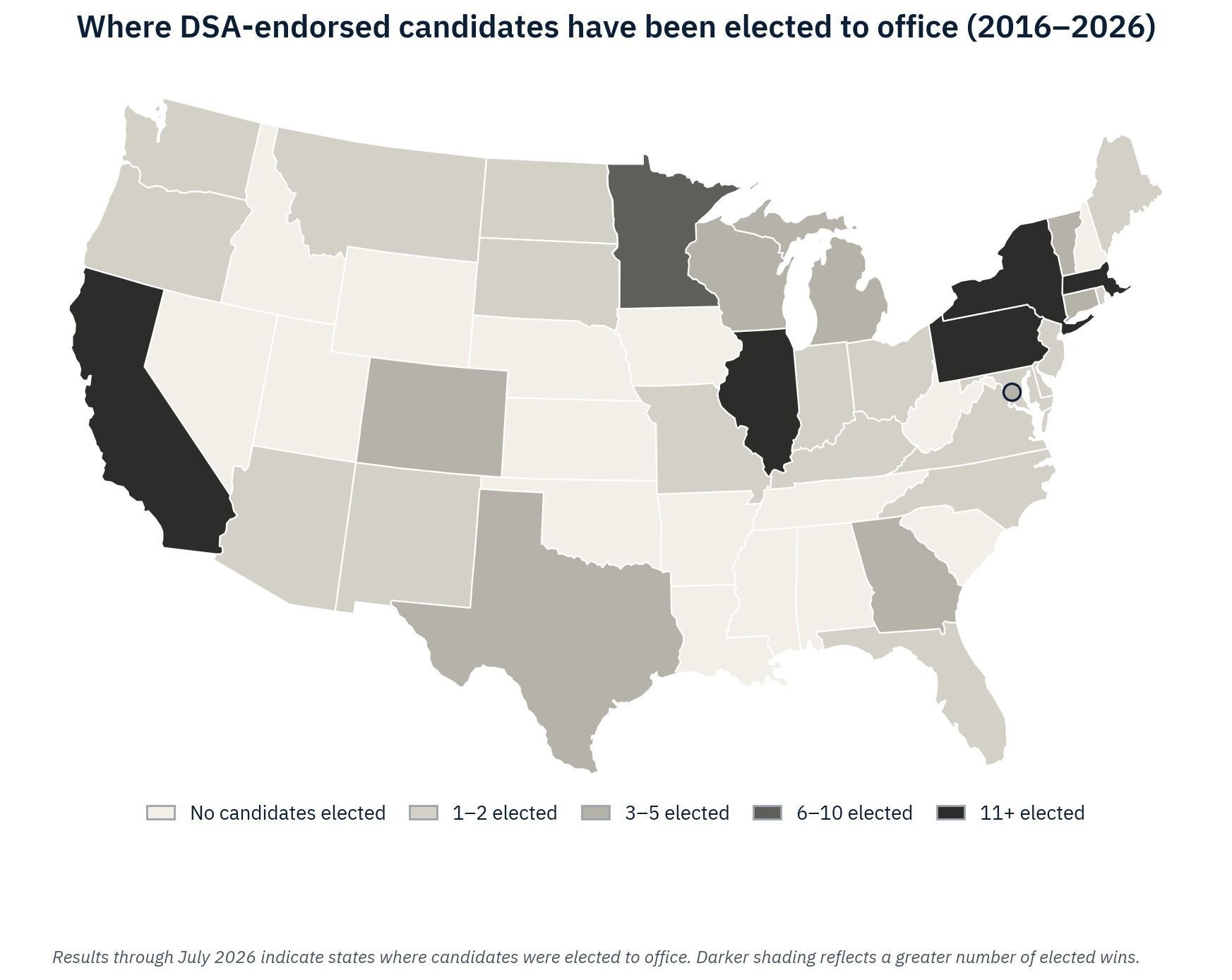
The DSA Surge: What Socialist Primary Wins Mean for Business and the Policy Landscape In the span of two election cycles, the Democratic Socialists of America have gone from insurgent outsiders to a genuine force inside the Democratic Party. A new analysis of DSA's national endorsement record shows 25 primary wins across 15 states so far in the 2025-2026 cycle, a 62 percent success rate stretching from New York city councils to congressional primaries in Pennsylvania and Colorado. The trend is accelerating, and its implications run well beyond the halls of Congress. A Narrow Majority and a Familiar Problem The most immediate political concern is what happens on Capitol Hill if Democrats win the House with a thin margin. Hakeem Jeffries would face the same arithmetic Kevin McCarthy encountered with the House Freedom Caucus: a small group of ideologically committed members can hold a majority hostage. McCarthy was driven from the speakership in October 2023 by fewer than ten members. A larger DSA-aligned caucus, operating from the opposite end of the spectrum with fresh electoral mandates and no institutional loyalty to leadership, could prove equally disruptive. The Squad has already shown a willingness to break with Democratic leadership on appropriations, foreign policy, and procedural votes. More members with the same ideological profile and stronger grassroots backing would only amplify that dynamic. The Bigger Story Is Not Congress Congress gets the attention, but state legislatures and local governments set the conditions in which businesses actually operate. DSA candidates have won primaries in Georgia's state house, Minnesota's city councils, and city councils from New Jersey to Wisconsin to Arizona. These offices are pipelines. Today's Ithaca city councilmember is tomorrow's state legislator. The ideology rarely moderates as candidates advance. DSA's tracker shows an overall candidate win rate just above 50 percent since 2016, but the trend line matters: their 2025 cycle rate hit 62 percent, among the highest in their history. They are getting better at targeting winnable races, recruiting credible candidates, and turning out their base in low-turnout primaries where a motivated minority can determine outcomes. What It Means for Business in Blue States DSA's platform is not a vague progressive wish list. It calls for high progressive taxation, aggressive labor mandates, rent control, restructuring or defunding police, and opposition to most market-rate development. In jurisdictions where DSA-backed officials hold real power, those positions have translated into tangible policy. Minneapolis, where DSA holds several city council seats, has moved aggressively on landlord restrictions and business tax increases. San Francisco, where DSA-backed supervisor Dean Preston held power for years, saw some of the most restrictive commercial policies of any major American city before his 2024 defeat. Chicago's DSA aldermanic bloc has been a consistent source of opposition to development and public safety investment. These are not abstract ideological disputes. They represent direct compliance costs, operational risk, and a fundamentally less hospitable environment for investment. The National Drag, the State-Level Threat Nationally, a Democratic Party increasingly defined by its socialist wing faces real structural vulnerabilities. The 2024 results underscored how badly economic anxiety and perceptions of ideological overreach damage Democrats with working-class voters. An overtly socialist brand does not win back those voters. In competitive states and districts, it is a liability. But DSA does not need to win nationally to reshape policy. In blue states, a narrow legislative majority is enough to pass sweeping changes to tax policy, labor law, zoning, and regulatory structure. The voters most affected by those policies often have no political recourse. They cannot flip the state, and moving is not always an option. The Bottom Line DSA's electoral growth is not a narrative. It is a documented trend with a consistent track record across eight years and nearly 300 tracked candidates. For business and advocacy organizations, the lesson is that down-ballot primaries are where the policy environment is actually determined. A city council race in Milwaukee or a state house primary in Georgia does not generate national headlines, but it shapes the regulatory and tax climate that affects daily operations. Monitoring these races, engaging early, and understanding who holds office at every level of government matters more now than at any point in recent memory. The decisions being made in city council chambers today are the legislation being voted on in state capitals in five years.
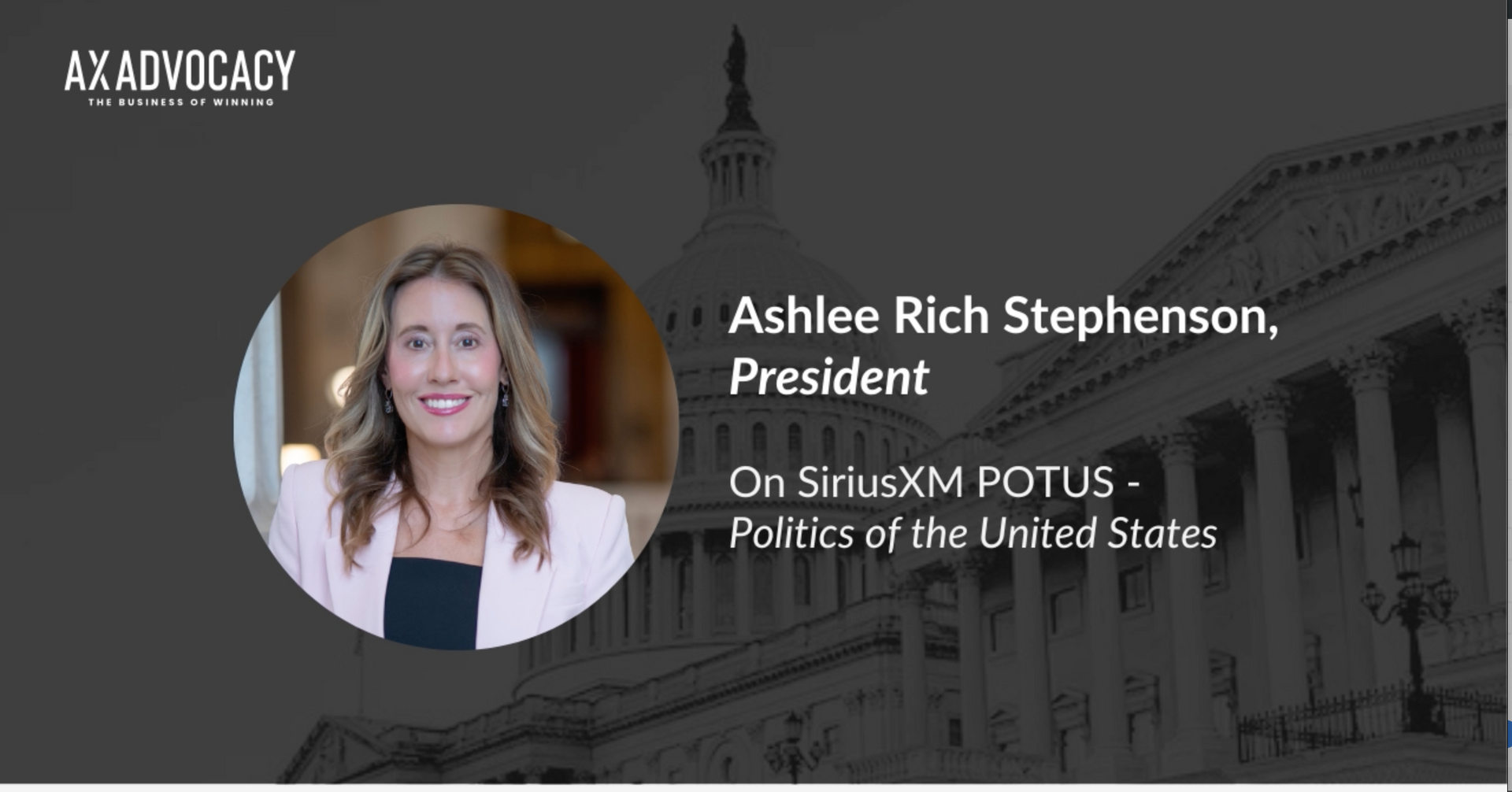
President Ashlee Rich Stephenson joined Steve Scully on SiriusXM POTUS to discuss the U.S. Senate landscape. Ashlee stated, "If I'm a Democratic operative, I'm hoping Haley Stevens pulls this out. Nominating a Democratic Socialist of America-backed candidate to run statewide in a true battleground would present real challenges for Democrats. If we start seeing Democratic Socialist of America candidates winning Senate nominations in states like Michigan, it signals a broader shift with implications that extend to the Electoral College, the presidency, and the future of free enterprise." And prior to the breaking news on Platner re-evaluating his campaign, they also covered Maine's Senate race, where Ashlee argued that Sen. Susan Collins remains in a strong position. Collins' long-standing reputation and the value Mainers place on character make the race far more challenging for Democrats than many expected, turning what was once viewed as a top pickup opportunity into a much more difficult path. Watch the full analysis of the 2026 U.S. Senate landscape here:
State of Play: Five Things We Are Tracking As Congress limps into the July 4th recess, it appears that the legislative agenda will remain in gridlock. The ongoing disagreements will ultimately define the remainder of the summer and fall calendar. SAVE America Act rebellion is freezing the House floor. A group of House conservatives have twice blocked procedural rules this week, demanding that leadership force action on the SAVE America Act. The faction has stalled many must-pass items and sent members home early for the second week in a row. Speaker Johnson needs near-unanimous GOP support to move anything with such a razor-thin majority. FY27 NDAA a victim of House Gridlock. The House Armed Services Committee has released a $1.15 trillion topline NDAA, with Chairman Rogers framing it around industrial base revitalization and getting to the administration's defense spending target. As of this week, the bill is caught in the SAVE America Act crossfire, with Rep. Anna Paulina Luna's push to attach the voter ID measure via amendment threatening to sink it in the Senate, where it needs Democratic votes to clear a filibuster. FY27 appropriations are inching forward. The House has passed two FY27 spending bills (MilCon-VA and Agriculture-FDA) and was set to take up the State Foreign Operations bill this week before the SAVE Act revolt punted it again. With the Senate in recess for two weeks, and the end of the fiscal year fast approaching, the path to a full-year deal versus another continuing resolution remains in question. Surface transportation reauthorization is racing against a September 30 deadline. With the IIJA's five-year authorization set to expire on September 30, the House T&I Committee advanced the bipartisan $580 billion BUILD America 250 Act (H.R. 8870) out of committee with a bipartisan 62-2 vote in May championed by Chairman Graves and Ranking Member Larsen. Floor time has not yet been announced, but committee leadership is hopeful it will be secured before the August recess. The Senate hasn't released its proposal yet, but early signals suggest strong continuity with the House version, with a streamlined return to the legislation’s original core functions. The urgency to move is driven by a very real funding problem: the Highway Trust Fund is projected to run dry by 2028, the House bill addresses this with a new EV and hybrid fees. Senate Appropriations markups keep getting delayed. Movement is expected once the Senate returns from its two-week recess. Senate Appropriations has postponed its full-committee markups of Agriculture-FDA, Commerce-Justice-Science, Legislative Branch, and MilCon-VA for the fourth time. Defense Subcommittee Chairman Mitch McConnell's hospitalization left Republicans short a vote. He is anticipated to return later this month.
More Than a Phone Call: The Real Work of Effective Advocacy Government relations is not just about knowing who to call. It is about identifying the right person, knowing why to call them, and how to frame the conversation when you do. Recently, a client who is a healthcare provider reached out for support. They had supported a licensing change that moved them into a new category, a shift that made sense as a way to better align oversight with the services being delivered. What nobody anticipated was that the change triggered simultaneous obligations under two separate, similar state statutes. Two divisions within the same agency were now required to conduct independent maltreatment investigations of the same event on sequential timelines, leaving staff on administrative leave for months and operations significantly disrupted — with most allegations ultimately unfounded. The provider had attempted to resolve the issues but was frustrated. They needed a strategy. Step One: Understand the Law A side-by-side analysis of both statutes mapped jurisdiction, investigation requirements, and timelines. It identified the precise point of overlap and, just as importantly, room within existing law to coordinate that had not yet been explored. Without that foundation, there is no credible position, no realistic solution, and no productive conversation with anyone who has authority to act. Step Two: Know Your Audience The framing had to acknowledge what both statutes were designed to protect while making clear the current process was producing a significant burden without additional protective value. Understanding the agency's own position and constraints was essential to developing a message they could act on rather than defend against. Step Three: Engage the Agency First The first call was not to a legislator. It was to the agency. Going to them first signals good faith and allows them to be part of the solution. A legislative fix takes a session. An administrative accommodation can be processed within weeks. The agency reviewed the analysis, agreed that the duplication did not serve the intent of either statute, and agreed to streamline the process within existing authority. Step Four: Build Toward a Long-Term Solution The streamlining was a meaningful win and not the finish line. The statutory ambiguity remains, and both sides recognized that a legislative fix is likely necessary to fully resolve the issue. The short-term work built the trust to get there together. Effective advocacy is not a single conversation. Done well, it does not just solve the problem at hand. It builds the foundation to resolve greater future issues. And the agencies and legislators who are part of that process are far more likely to become partners in solving the next problem too.
President Ashlee Rich Stephenson joined Steve Scully on SiriusXM POTUS to discuss the latest political developments, including the Maine Senate race, the emerging field for the 2028 presidential election, and renewed scrutiny of President Biden's 2024 campaign. The conversation covered former Vice President Mike Pence's political future, the growing attention surrounding Vice President JD Vance and Secretary of State Marco Rubio as potential Republican standard-bearers, and former First Lady Jill Biden's recent reflections on the 2024 election cycle. Listen to the full conversation here:
A Spring Congressional Update: What to Watch in the Months Ahead After a busy first four months of the year and with the remaining legislative calendar shrinking, it’s time to take a fresh look at the outlook for the three-month Congressional sprint to August. Appropriations: A Fresh Start — and Early Pressure In our January outlook , Congress was staring down a January 30th funding deadline. After one of the most turbulent funding cycles in recent memory — including a 43-day government shutdown last fall that became the longest in modern history — Congress managed to complete 11 of the 12 FY2026 appropriations bills. Congress recently released funding for the Department of Homeland Security – sans ICE and CBP – but only after swiftly approving a budget resolution to tee up a second reconciliation bill intended to provide multi-year funding for the immigration and border enforcement agencies. Now the clock is already ticking on FY2027 funding. The House is well underway, having reported out five Appropriations bills in the last two weeks of April. The House Appropriations Committee has laid out an ambitious markup schedule to complete its committee work by June. On the other side of the Hill, the Senate has held a flurry of hearings in April to examine the Administration’s budget request, with Administration officials making regular appearances before the Committee as the Senate charts its path for FY2027 funding bills. Whether Congress can complete some or any of these bills before the October 1 deadline, or whether the government once again stumbles into another continuing resolution or shutdown, remains the central fiscal question of the year. Whether it’s Vegas or Kalshi, the safe money is on a continuing resolution at least through the end of the year in order to avoid a messy spending fight a month before the midterm elections. Defense: Boosting the Budget, Expanding Priorities Boosting defense spending remains a top Administration priority, which has taken on increased importance as the military engagement with Iran has dragged on and strained military stockpiles. The Administration's new budget request proposes boosting defense spending to roughly $1.5 trillion — a sharp increase that Congress will have to grapple with as it approaches the NDAA and Appropriations bills this year. Traditionally, Congressional Appropriators tee up the defense funding bill early in the process, but in the House, it is currently scheduled to be the last bill to move through Committee, reflecting uncertainty over how to tackle the Administration’s request. A third reconciliation or a separate bipartisan supplemental funding bill are also options but face significant headwinds in the near term. The FY2027 NDAA is on the (short) list of bills Congress should get done this year with a June 4th mark-up scheduled in the House. The question is whether it becomes a lame duck Christmas tree. Transportation: A Must-Pass Deadline Looms Aside from the annual defense and appropriations work, the biggest legislative item on Congress's plate is the surface transportation reauthorization. The current authorization expires on September 30, 2026. Congress must either pass a new multi-year highway bill or risk leaving states without the long-term funding certainty they need to execute major infrastructure projects. Transportation Secretary Sean Duffy has been vocal about his "America is Building Again" agenda, pushing to streamline permitting and give states more control over environmental reviews. On the Hill, all eyes are on House Transportation and Infrastructure Committee Chairman Sam Graves and Ranking Member Rick Larsen as speculation over a markup date and an impending deal continues to dominate conversations in transportation circles. Optimists (me included) believe that the Graves-Larsen dynamic duo will strike a deal that will bring along a bipartisan coalition and reinvigorate business and labor stakeholders, and that a bill is possible this year. The theory goes that momentum from the House could spur action in the Senate, yet every week that passes makes it more difficult. Additionally, water infrastructure, aviation safety and additional funding for air traffic control are on the agenda, and Congress is likely to act on these issues before the year concludes. The Bottom Line Congress enters the second half of the fiscal year with a full agenda and real deadlines but as the saying goes, the outlook is as clear as mud. A second and possibly third reconciliation bill shows that Republicans are looking to create additional pathways to advance their remaining priorities. A possible surface transportation bill, defense authorization, and end of year funding will all be big targets as the ‘last trains to leave the station’ after the midterms.
AxAdvocacy President Ashlee Rich Stephenson joined SiriusXM POTUS to discuss the midterm elections. "As we look toward the midterms, it’s important to remember there are always ebbs and flows. Right now, economic pressure, especially gas prices, is driving much of the conversation. If costs stay high through key moments like the Fourth of July and Labor Day, that creates a challenging environment for many candidates. At the end of the day, it comes down to a familiar reality, voters will side with whoever they believe is better for their pocketbook." Watch the full interview:
Caught in the Red Tape? How to Use Effective Advocacy to Get Things Moving When a state regulation, policy, or licensing requirement is standing in the way of your business, don’t just get frustrated: get strategic. My dad always said, “You’ve got to know the rule to get around it.” That does not mean breaking the rules. It means understanding exactly what the law or policy says, why it exists, and how to work within the system to find a solution. Regulations can be complicated and changing them is not easy, but knowing the rules is the first step to effective advocacy. Here are five steps to help navigate state government and remove unnecessary barriers. Know the Rule Start by identifying the exact policy, regulation, or law creating the problem. You can do this by: Asking the regulator or government official to cite the exact rule they are enforcing Searching on the agency’s website, where most rules and policies are published Submitting a Freedom of Information request if needed Just as important as identifying the rule is understanding its history. Ask: What problem was this originally designed to solve? Knowing the intent behind the policy often reveals whether it is still relevant or if it has outlived its usefulness. Build Support Reach out to other similar businesses to see if they are experiencing the same issue. Even one or two additional voices can strengthen your position. Real stories, real costs, and real-world examples help decision-makers understand the impact. Stay Focused Once you understand the rule and have identified others with the same issue, develop a clear and simple message. Be able to explain: What the rule is How it is impacting your business Why it is unnecessary or unreasonable in today’s context What outcome would solve the problem Clarity matters. A focused message with a practical solution is far more effective than a long list of complaints. Work with the Agency Start where the issue lives, inside the agency. Speak first with the staff or office handling the matter. If you are not getting traction, identify agency leadership, including division directors, board members, or Governor-appointed agency heads. Request an in-person meeting when possible. Many issues improve significantly when decision-makers hear directly how the policy is affecting real businesses. Contact Your Elected Officials If working through the agency does not resolve the issue, loop in your state representative or senator. It is often best to begin by trying to work directly with the agency first, but keep your legislator informed along the way so they understand the issue if escalation becomes necessary. Elected officials can help connect you to the right people, ask questions on your behalf, and push for broader policy changes when needed. Key Takeaways Most people skip the first step of identifying the rule and miss opportunities to resolve the issues quickly. Many times, policies and laws are misunderstood or misapplied. Progress rarely comes from frustration alone, it comes from clarity, persistence, and collaboration.
