Transportation Outlook for the 120th Congress
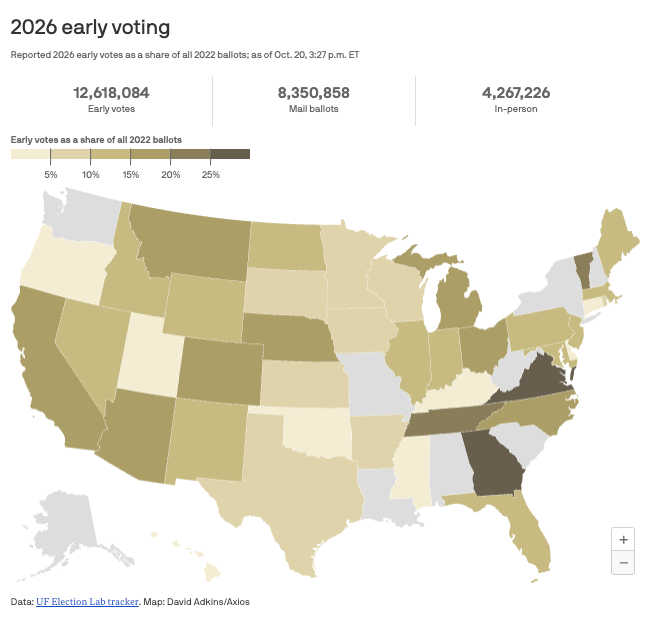
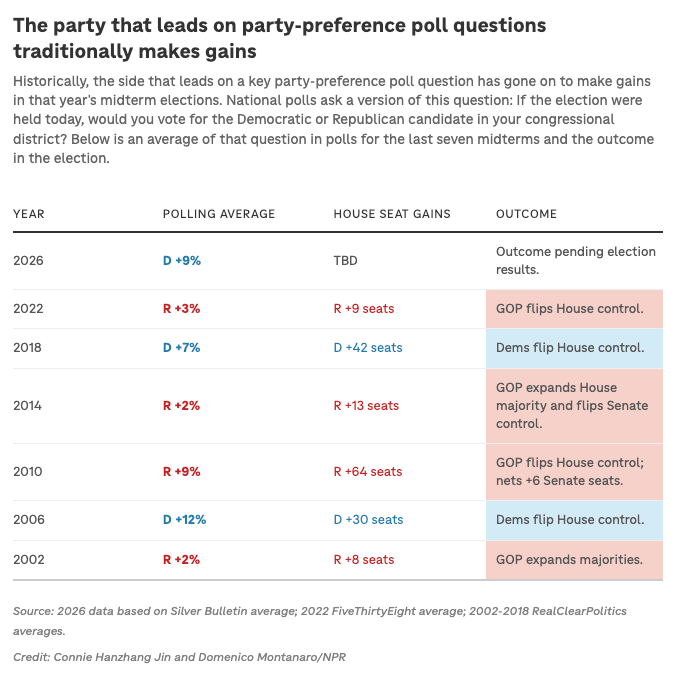
The 2026 midterms have produced divided government for the final two years of President Trump's term. That result ensures one certainty for the 120th Congress: anything that stands a chance of becoming law will need to be bipartisan.
In a divided Congress, party-line vehicles such as budget reconciliation are effectively off the table, and the President's veto becomes decisive. Overriding a veto requires two-thirds of both chambers, a threshold that itself demands broad bipartisan support. The practical result is a short list of must-do items: annual government funding, the National Defense Authorization Act, and infrastructure. Transportation sits squarely on that list, and history suggests it remains one of the few places where the two parties can still find common ground.
Surface Transportation: The Top Priority
The Infrastructure Investment and Jobs Act (IIJA) expired on September 30, 2026. Rather than enact a successor, Congress folded a short-term extension of highway, transit, rail and safety programs into the continuing resolution signed on September 2, keeping programs running through December 11. That leaves the lame duck facing another deadline, and a further extension into the new Congress appears likely.
The groundwork for a long-term bill is already in place. In May, the House Transportation and Infrastructure Committee approved the BUILD America 250 Act (H.R. 8870), a five-year, $580 billion reauthorization, by a 62-2 vote. The bill never reached the House floor, and the Senate has not produced a full companion package. The new Congress will have to restart much of that work, but the lopsided committee vote gives negotiators a bipartisan foundation to build from.
The stakes are real. States, transit agencies and contractors cannot plan multi-year projects on 72-day extensions. Freight carriers and shippers need certainty on highway investment, truck safety policy and the long-term solvency of the Highway Trust Fund, an issue that grows more pressing each year and will force difficult choices about the future of funding our transportation system.
Aside from the change in control, there will also be significant turnover in the House in key transportation leadership positions. While Chairman Graves’ departure has been widely written about, there are a number of other significant openings that will impact transportation stakeholders.
On the Republican side, the expected incoming Ranking Member David Rouzer (R-NC) will have five of the six subcommittee leadership positions to fill including highways, rail, and aviation. On the Democrat side, there will likely be some musical chairs with the critical Highways Subcommittee gavel being open and therefore creating a likely reshuffling at other key subcommittees.
In the Senate, the key change in leadership will be a new incoming Chairman on the Environment and Public Works Committee with Senator Merkley from Oregon widely expected to take on the role next Congress. The weeks and months ahead will answer some open questions with Members expected to receive their Committee assignments shortly after Thanksgiving and Subcommittee assignments typically not taking shape until the new year.
FAA Reauthorization on the Horizon
The FAA Reauthorization Act of 2024, a bill I ushered through the process in the 118th Congress as the lead House staff negotiator, runs through September 30, 2028. So, the next aviation bill must be written and enacted in the 120th Congress. Air traffic controller staffing, modernization of the air traffic control system, aviation safety, building on the progress of the first ever GA title and the integration of drones and advanced air mobility will all be in play. Committees typically begin hearings and solicitation of member and stakeholder priorities well ahead of expiration, and stakeholders should expect that process to start in 2027.
Infrastructure as Common Ground
During his first term, President Trump repeatedly signaled interest in a major infrastructure package, at one point reaching a tentative understanding with Democratic leaders on a $2 trillion framework in 2019. That effort stalled, but the interest was genuine, and infrastructure remains one of the few areas where the President's priorities and those of congressional Democrats could overlap. It could also be an opportunity to secure additional funding to continue momentum on air traffic control modernization – an area that both sides can agree on. Surface transportation bills have historically passed with broad bipartisan majorities, and members of both parties have projects and constituents who depend on them.
The Bottom Line
Divided government will slow the legislative pace, but it will not stop it. Government funding and defense must pass. Infrastructure, anchored by a long-term surface transportation bill and followed by FAA reauthorization, is the best opportunity for a significant bipartisan achievement in the next two years. Stakeholders who engage early, and who frame their priorities in bipartisan terms, will be best positioned to shape the outcome.

Jack Ruddy
Senior Vice President of Government Relations